Eclipse Mobile
Mobile users don't make purchasing decisions the same way desktop users do - yet the experience often treated them as if they did.
I led the end-to-end redesign of Wix's premium mobile purchase experience, from product strategy and research to UX design, experimentation, rollout planning, and AI-assisted implementation.
Rather than shipping a complete redesign all at once, I broke the vision into a series of measurable product experiments, allowing us to continuously improve one of Wix's highest-revenue mobile journeys while minimizing business risk.

(The Opportunity)
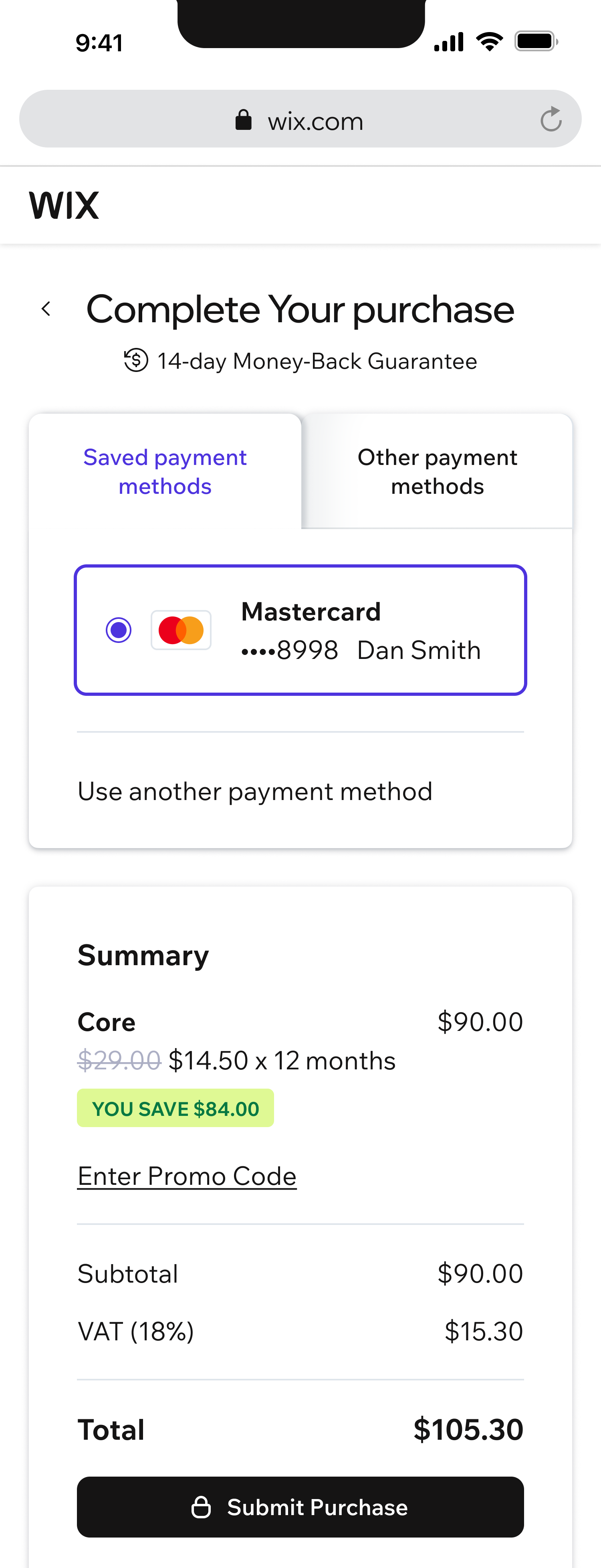
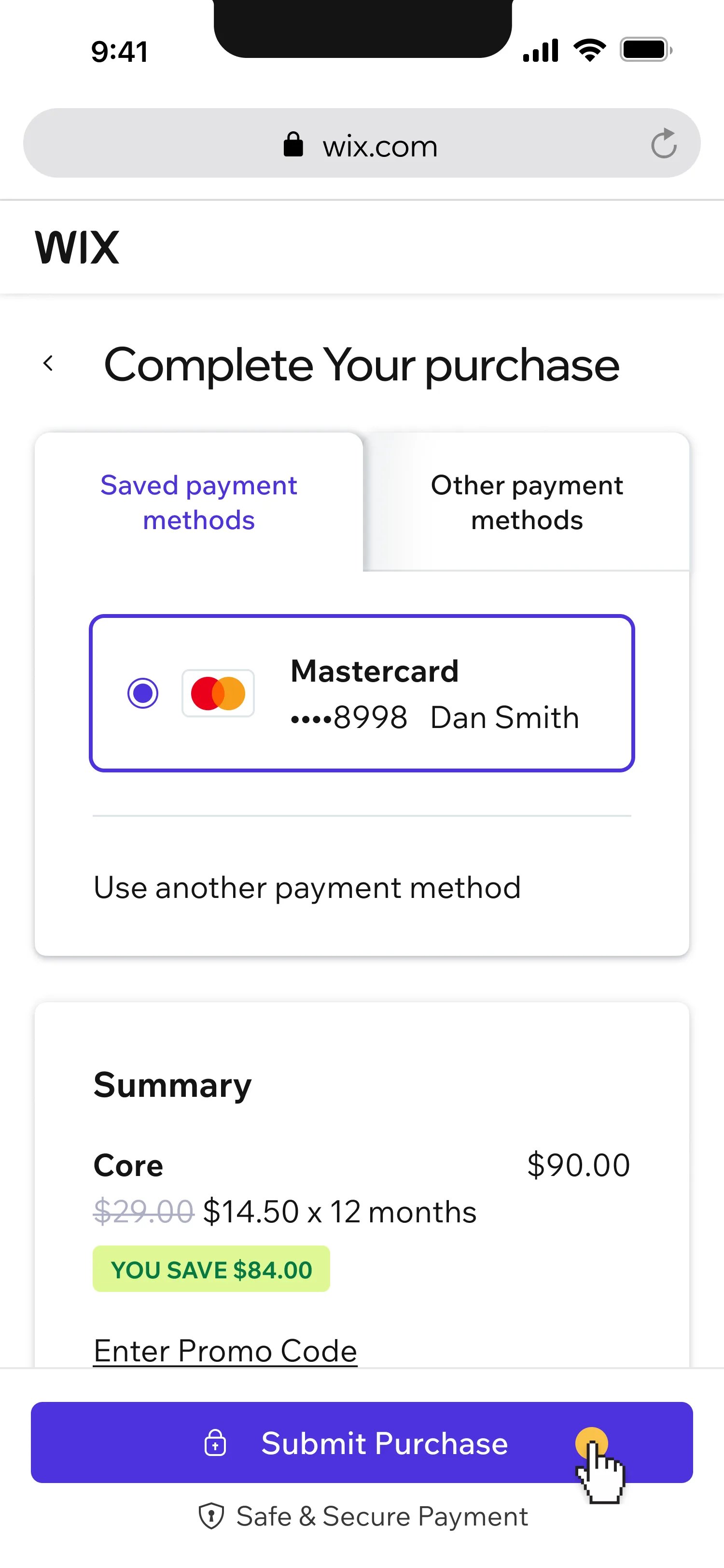
Eclipse Mobile reimagined Wix's premium purchase experience specifically for mobile users.
Instead of adapting the desktop experience to a smaller screen, I saw an opportunity to rethink the entire purchase journey around mobile behaviors - creating a faster, more intuitive experience while protecting the performance of one of Wix's most valuable revenue funnels.
(The Challenge)
The existing mobile flow generated significant business value, making every change a potential risk.
The challenge wasn't simply improving the interface - it was finding opportunities to evolve the experience without compromising one of Wix's highest-performing revenue engines.
Rather than relying on assumptions, I wanted every product decision to be backed by user behavior and validated through experimentation.
(Strategy)
I started by understanding how users actually made purchasing decisions on mobile.
I combined product analytics, FullStory session recordings, and behavioral data to identify friction points, moments of hesitation, and opportunities to simplify the purchasing journey.
To broaden my perspective, I also analyzed purchase experiences across both SaaS and consumer products, studying how leading companies presented plans, communicated pricing, and guided users through high-intent decisions.
Based on these insights, I developed a product strategy that informed every design decision throughout the project.
(Design)
The research led me to several product hypotheses aimed at reducing friction and increasing purchase confidence.
Key initiatives included:
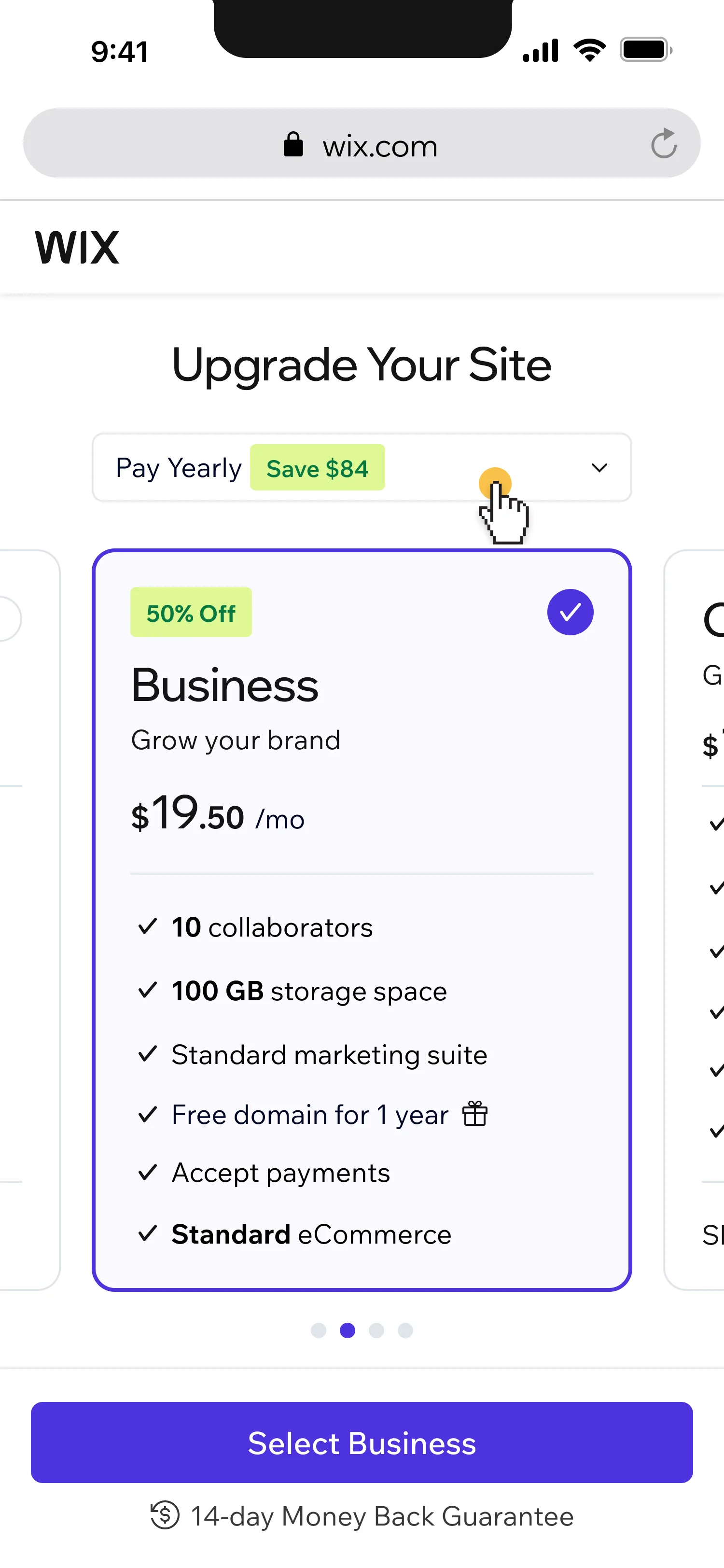
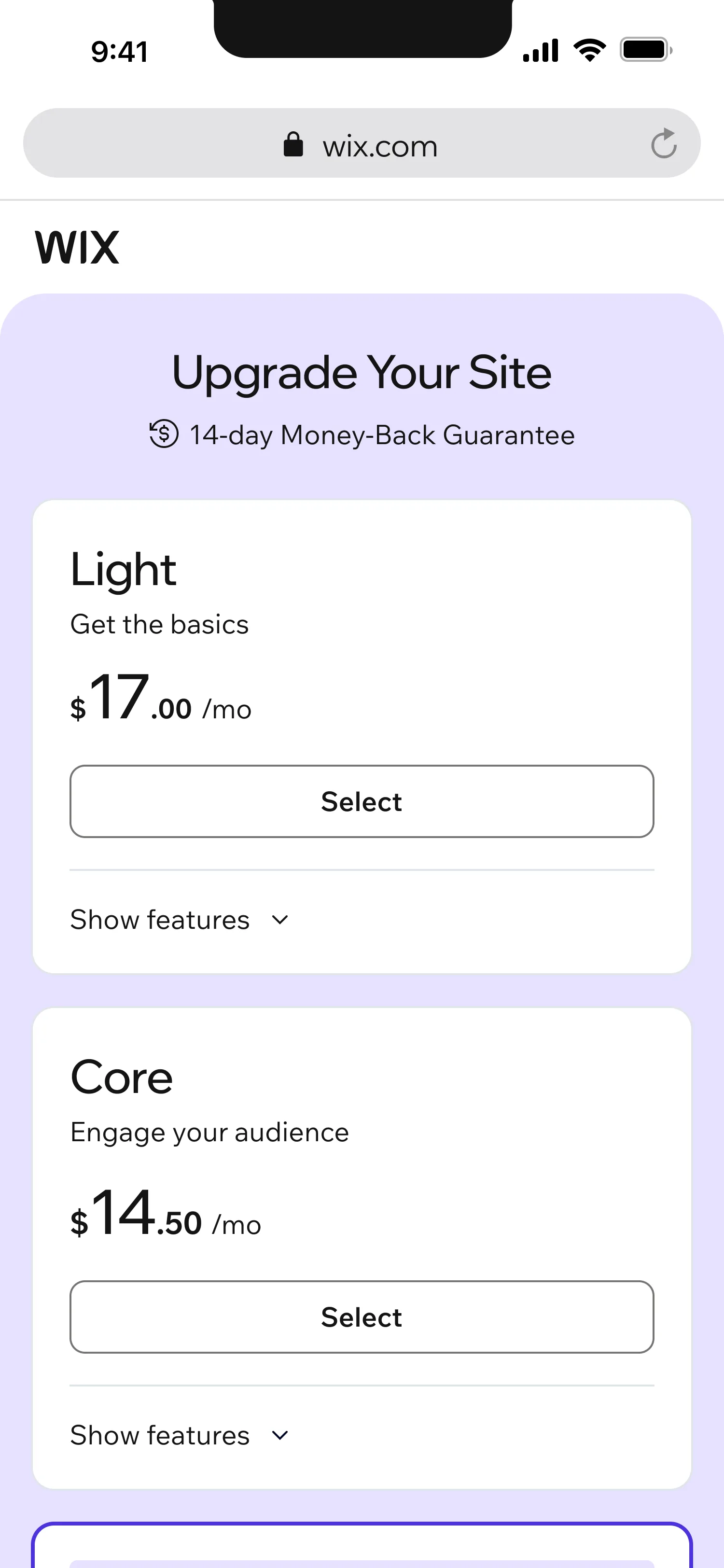
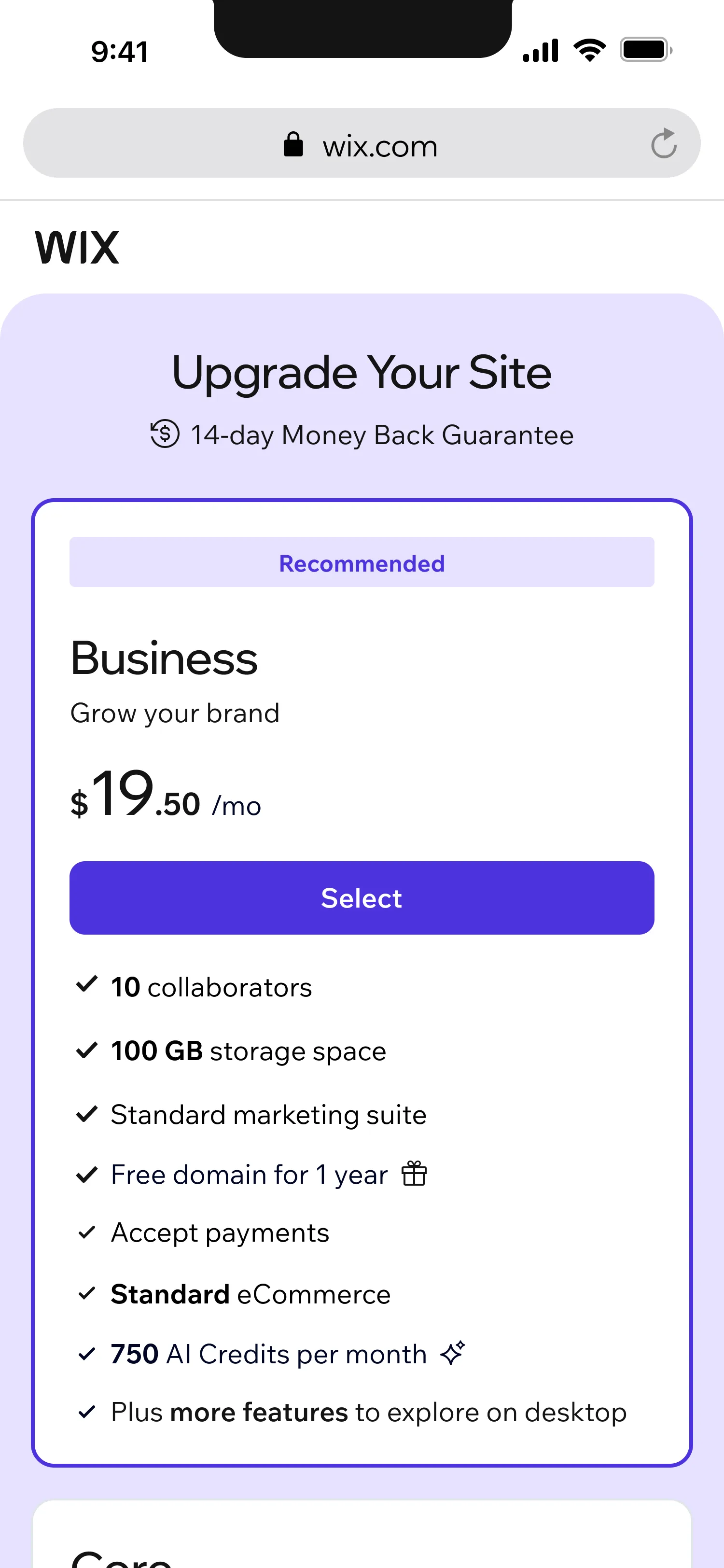
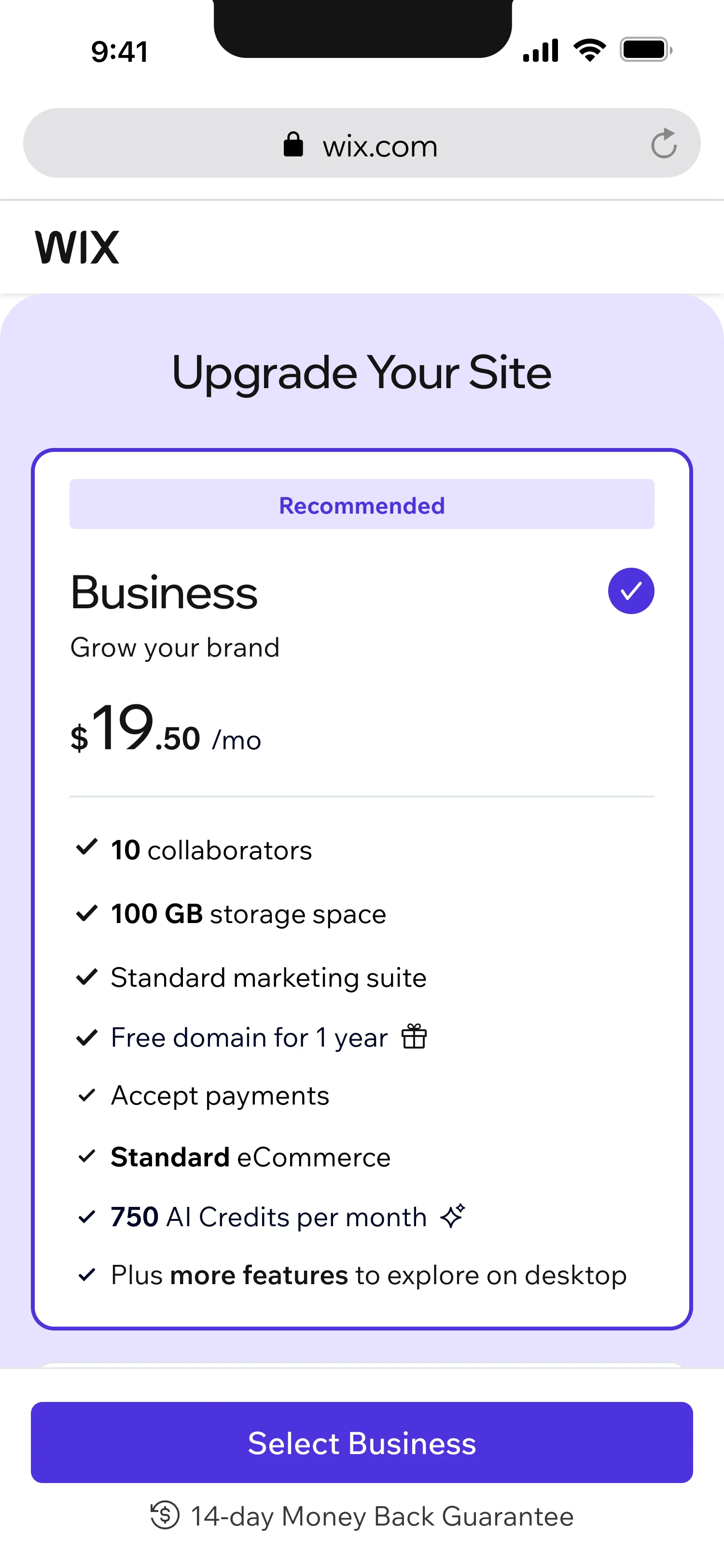
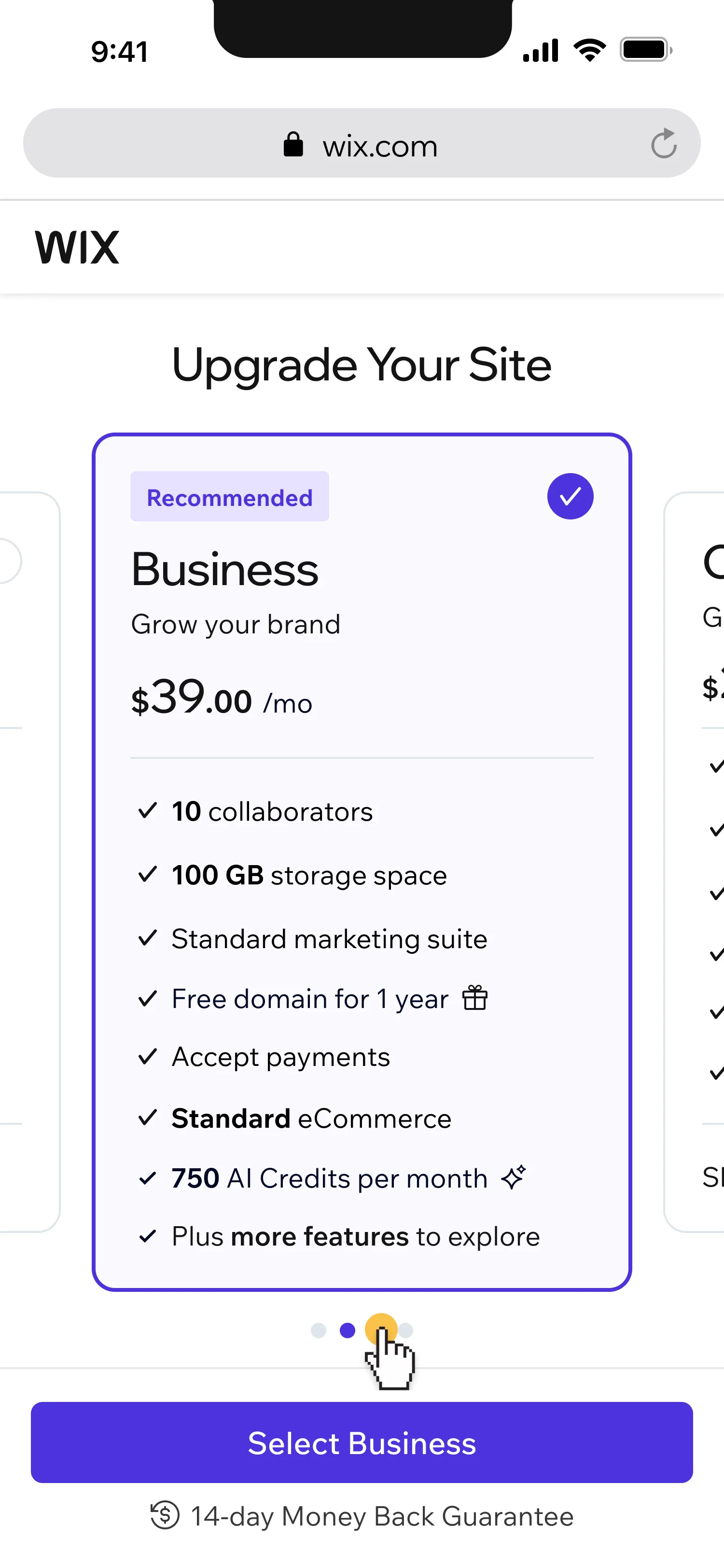
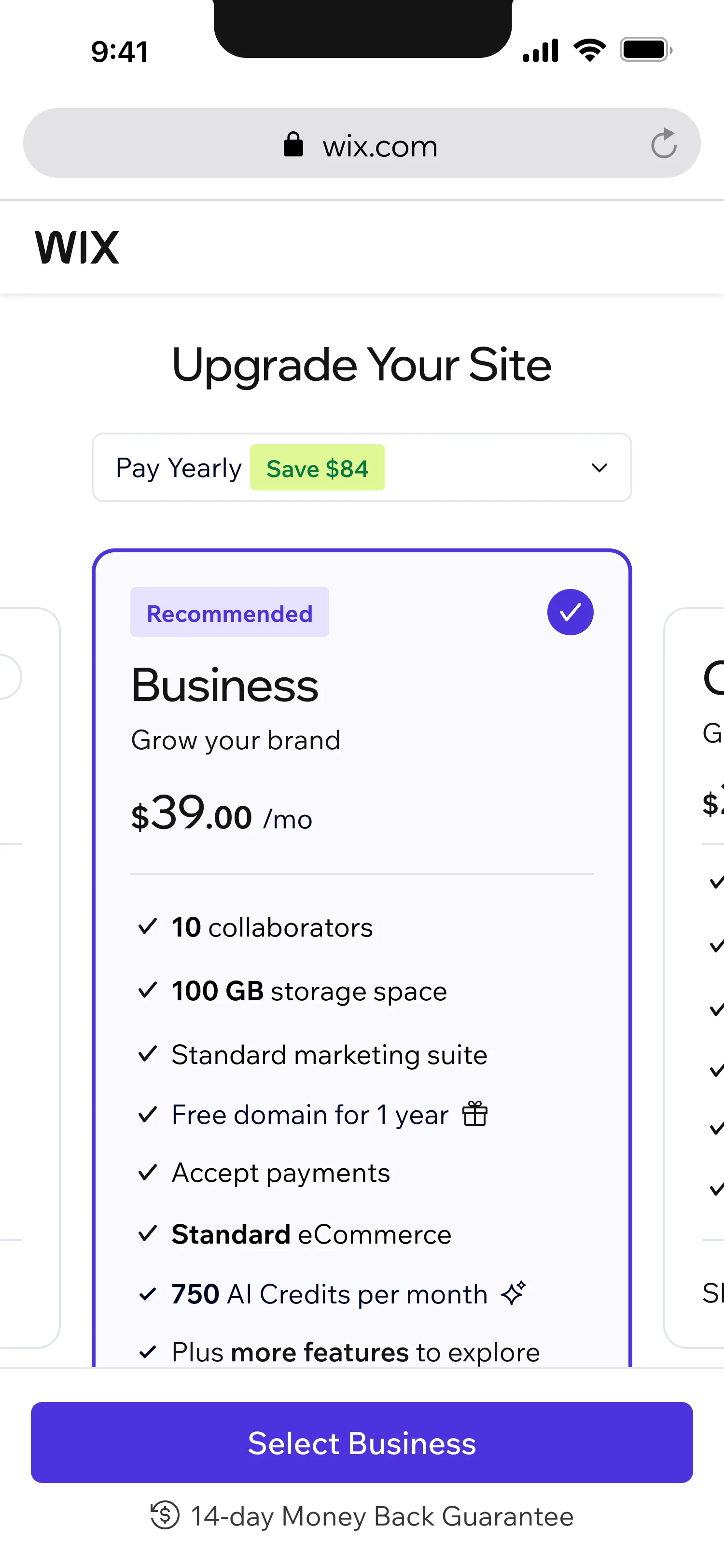
- Surfacing the recommended plan above the fold.
- Introducing a horizontal carousel for easier plan comparison.
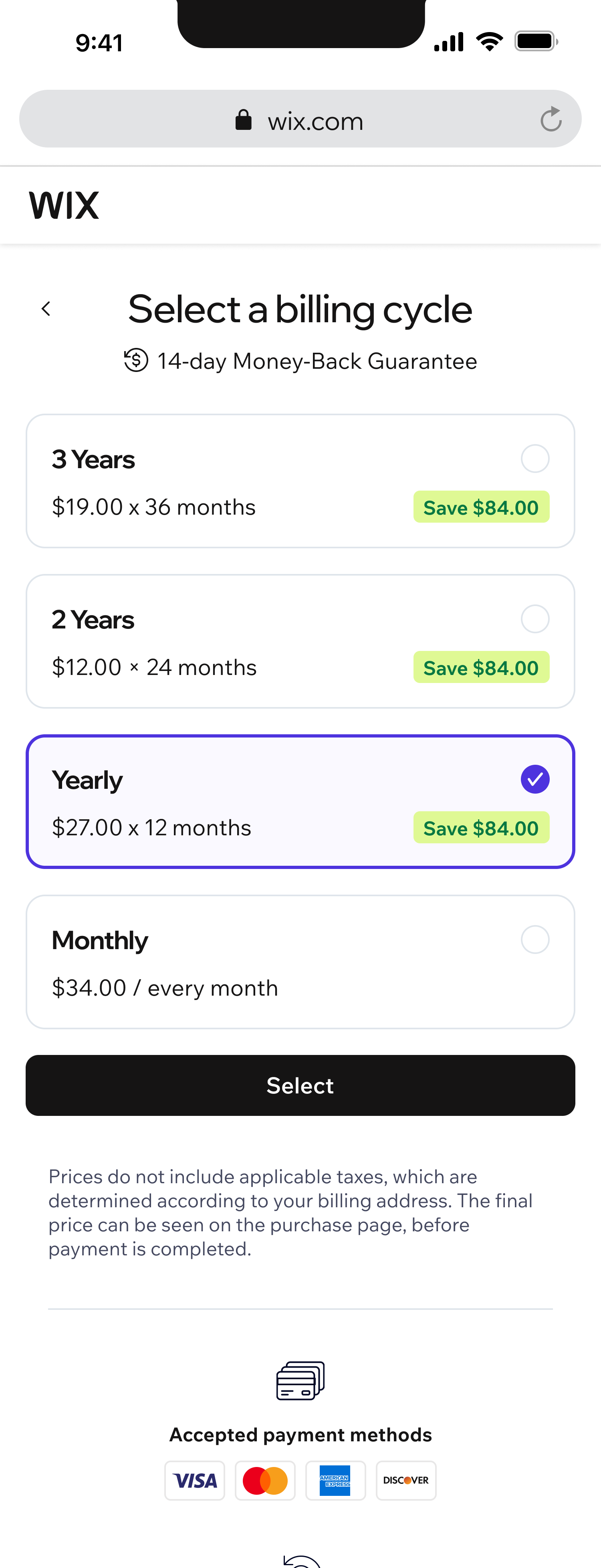
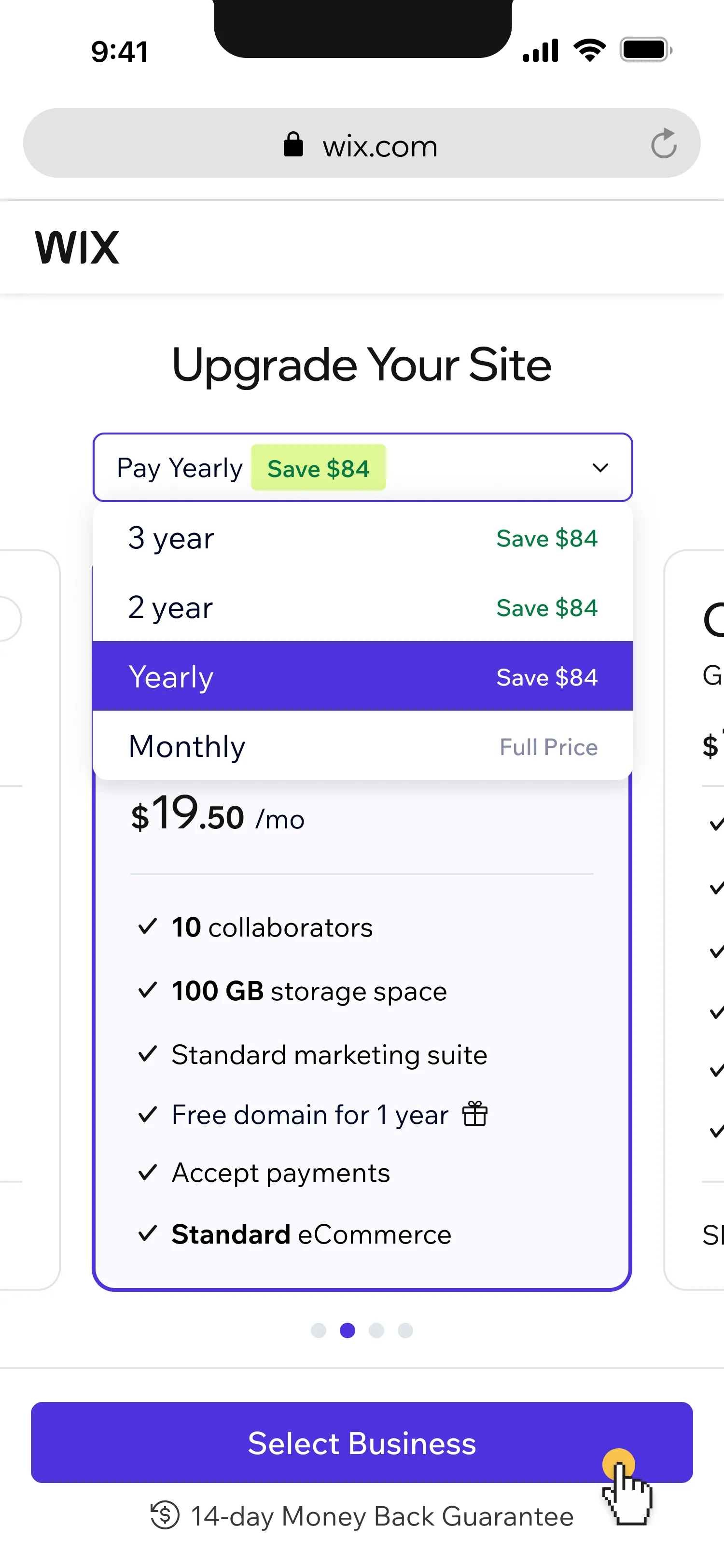
- Replacing a dedicated billing-cycle step with an inline dropdown, reducing unnecessary decision points.
- Adding a persistent sticky CTA aligned with native mobile behavior.
While I designed the complete mobile-first vision from the start, I intentionally chose not to ship everything at once.
Instead, I broke the redesign into smaller, measurable experiments, allowing each hypothesis to be validated independently through controlled A/B testing before moving to the next iteration.
Validation
To minimize business risk, I planned the rollout as a staged validation process rather than a single launch.
The rollout followed a gradual validation strategy:
- Internal release to Wix employees.
- US market launch with sanity validation and close KPI monitoring.
- Expansion to 50% of eligible traffic after stable performance.
- Full rollout to 100% once results consistently met expectations.
This approach allowed us to isolate the impact of each improvement while continuously evolving the experience with confidence.
Accelerating Delivery with AI
To accelerate delivery, I used Cursor to build the first implementation myself.
Starting from a raw responsive foundation, I refined the interface, interactions, and responsive behavior until the implementation closely matched the final designs.
This significantly reduced the gap between design and development, enabled faster iteration cycles, and allowed ideas to be validated much earlier in the product development process.
As each experiment was successfully rolled out, I continued designing and implementing the next phase, gradually evolving the experience through continuous experimentation rather than a single large release.
Business Outcome
By combining product thinking, experimentation, and AI-assisted implementation, I established a scalable framework for continuously evolving one of Wix's highest-revenue mobile experiences.
Beyond the product itself, the project demonstrated how incremental experimentation could unlock meaningful improvements without introducing unnecessary business risk.
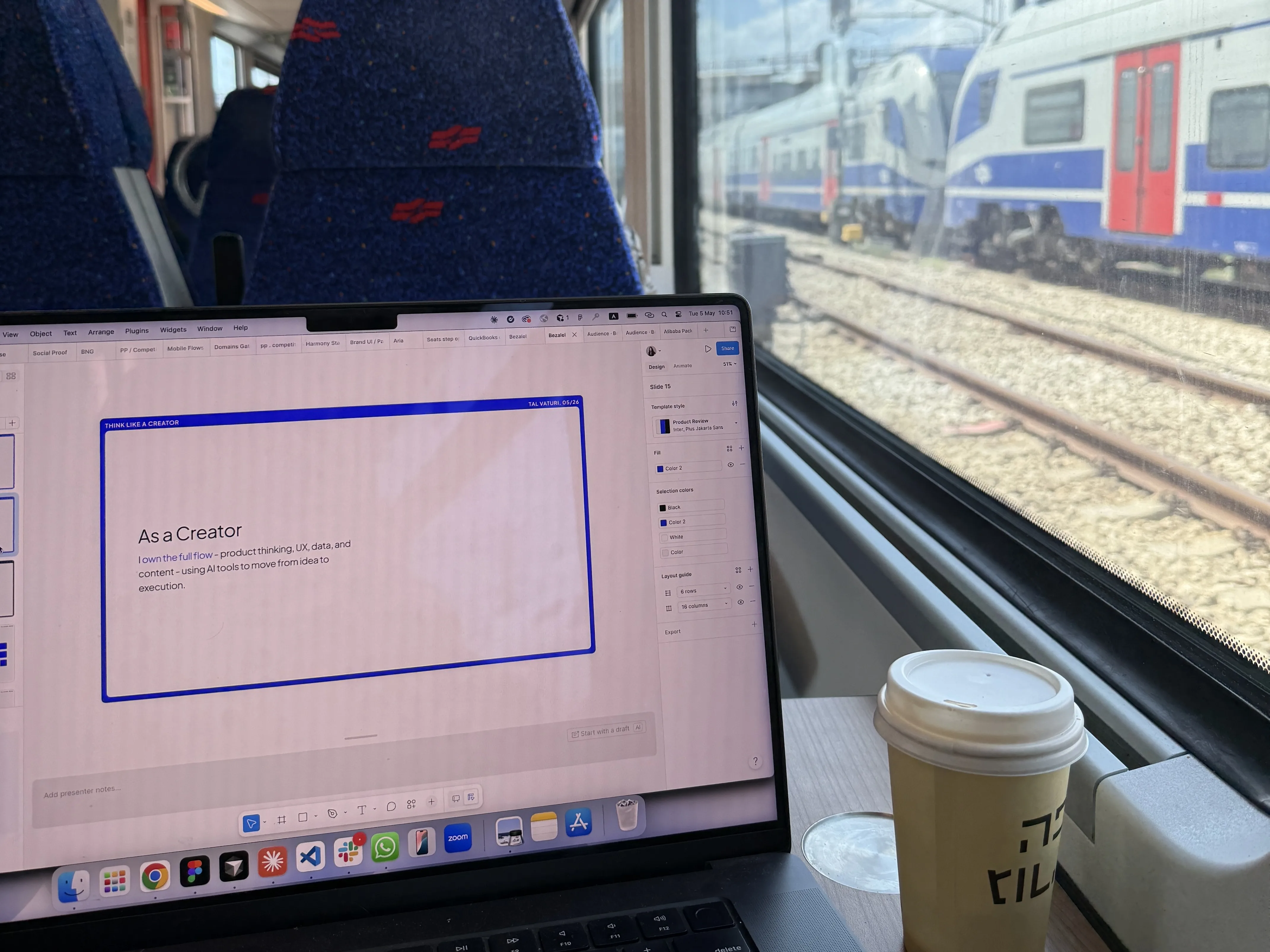
The work was later featured in a guest lecture at Bezalel Academy of Arts and Design, where I presented the product strategy, research process, and experimentation approach behind the redesign.